Jestem adwokatką, blogerką i podróżniczką. Prowadzę dwa blogi prawnicze: "Angielskie Prawo dla Polaków" (od 2014 roku) oraz "Cyberlaw by Judyta" – blog o cyberprzestępczości, prawie własności intelektualnej i prawie nowych technologii.
Udzielam porad prawnych w ramach prowadzonej przeze mnie kancelarii EPOQUE Kancelaria Adwokacka. Obsługuję klientów zarówno w kraju, jak i za granicą. Kontakt: judyta.kasperkiewicz@adwokatura.pl.
Specjalizuję się w prawie i nowych technologiach, zarówno w aspekcie zawodowym, jak i naukowym. Główne obszary moich zainteresowań to:
1) prawo karne i cyberprzestępczość (przestępczość karnogospodarcza i karnoskarbowa, oszustwa komputerowe, phishing, hacking, ransomware, cyberstalking, cyberbullying, przestępstwa kryptowalutowe i inne),
2) prawo nowych technologii (e-commerce, startupy, FinTech, RegTech,
3) prawo własności intelektualnej (znaki towarowe, wzory przemysłowe, doradztwo dla branży kreatywnej, w tym oferującej odzież, perfumy i biżuterię)
Jeśli Twoje dane, systemy informatyczne lub urządzenia zostały objęte postępowaniem karnym, kluczowe jest przestrzeganie prawa oraz ochrona interesów Twojej firmy. Poniżej znajdziesz zagadnienia, o których warto pamiętać w takiej sytuacji:
Otrzymanie informacji od organów ścigania
Zapoznanie się z postanowieniem / wezwaniem
Jeśli policja lub prokuratura kontaktuje się w sprawie Twoich danych lub systemów, dokładnie przeanalizuj dokumenty, które otrzymasz, np.:
Nakaz przeszukania lub postanowienie o zabezpieczenia dowodów.
Postanowienie o żądaniu wydania rzeczy lub żądanie przekazania informacji lub danych.
Sprawdź zakres żądania
Upewnij się, że wezwanie dotyczy danych/systemów bezpośrednio powiązanych ze sprawą. Organy ścigania nie mogą wymagać dostępu do danych wykraczających poza ich uprawnienia.
Pamiętaj, że zgodnie z art. 15 Kodeksu postępowania karnego, osoby prawne lub jednostki organizacyjne niemające osobowości prawnej inne niż określone w § 2, a także osoby fizyczne są obowiązane do udzielenia pomocy na wezwanie organów prowadzących postępowanie karne w zakresie i w terminie przez nie wyznaczonym, jeżeli bez tej pomocy przeprowadzenie czynności procesowej jest niemożliwe albo znacznie utrudnione.
Zabezpieczenie danych przed zmianami
Nie modyfikuj danych
Jeśli Twoje dane lub systemy są objęte śledztwem lub dochodzeniem, masz obowiązek zabezpieczyć je w stanie nienaruszonym. Każda zmiana (nawet przypadkowa) może być interpretowana jako próba zatarcia śladów lub utrudniania śledztwa.
Utwórz kopie zapasowe
Przed przekazaniem danych organom ścigania wykonaj kopię zapasową dla swojej firmy, jeśli jest to możliwe (chyba że zakazano tego wprost w postanowieniu).
Współpraca z organami ścigania
Przekazanie wymaganych informacji
Na żądanie policji lub prokuratury musisz przekazać dane, do których dostęp określono w postanowieniu o żądaniu wydania rzeczy, w tym:
Logi systemowe.
Konkretne pliki lub bazy danych.
Inne informacje wskazane w nakazie.
Zapewnienie dostępu do systemów
Jeśli organy ścigania chcą przeprowadzić oględziny lub analizę na miejscu (w Twojej siedzibie), musisz umożliwić im dostęp do infrastruktury IT zgodnie z zakresem ich uprawnień.
Zachowanie poufności
Nieujawnianie szczegółów
Jesteś zobowiązany do zachowania poufności działań organów ścigania, chyba że masz inne wytyczne (np. powiadomienie klientów o wycieku danych w przypadku RODO).
Pamiętaj, że zgodnie z art. 241 Kodeksu karnego, kto bez zezwolenia rozpowszechnia publicznie wiadomości z postępowania przygotowawczego, zanim zostały ujawnione w postępowaniu sądowym, podlega grzywnie, karze ograniczenia wolności albo pozbawienia wolności do lat 2.
Ograniczenie dostępu
Upewnij się, że tylko osoby bezpośrednio zaangażowane w sprawę mają dostęp do informacji o śledztwie.
Weryfikacja zgodności z prawem
Skonsultuj się z prawnikiem
Warto zweryfikować, czy działania organów ścigania są zgodne z prawem. Na przykład:
Czy nakaz przeszukania lub zabezpieczenia danych spełnia wymogi formalne?
Czy organy nie wymagają danych wykraczających poza ich uprawnienia?
Odwołanie od nadmiernych żądań
Jeśli uważasz, że żądanie jest zbyt szerokie lub narusza Twoje prawa, prawnik może złożyć zażalenie na takie postanowienie.
Minimalizacja wpływu na działalność firmy
Zapewnienie ciągłości działania
Jeśli zabezpieczenie danych lub systemów może wpłynąć na Twoją działalność operacyjną (np. wyłączenie serwerów, utrata dostępu do danych), poinformuj organy ścigania o konsekwencjach i spróbuj uzgodnić alternatywne rozwiązania, takie jak:
Udostępnienie kopii danych zamiast oryginałów.
Przeprowadzenie analiz poza godzinami pracy firmy.
Planowanie operacji awaryjnych
Warto przygotować alternatywny plan działania, jeśli kluczowe systemy lub urządzenia zostaną przez organy ścigania zabezpieczone.
Audyt wewnętrzny po zakończeniu działań
Sprawdzenie systemów po analizie
Po zakończeniu działań organów ścigania upewnij się, że wszystkie systemy zostały przywrócone do pierwotnego stanu, a dane nie zostały uszkodzone lub zmodyfikowane.
Przywrócenie bezpieczeństwa
Przeprowadź kontrolę bezpieczeństwa, aby upewnić się, że działania śledczych nie naraziły Twoich systemów na dodatkowe ryzyko.
Ochrona danych osobowych (RODO)
Jeśli dane osobowe zostały przekazane w toku śledztwa, skonsultuj się z prawnikiem lub Inspektorem Ochrony Danych, aby upewnić się, czy konieczne jest powiadomienie osób, których dane dotyczą.
Zapobieganie przyszłym incydentom
Wdrożenie procedur zgodności
Zadbaj o poprawienie procedur wewnętrznych, aby uniknąć podobnych sytuacji w przyszłości. Możesz rozważyć:
Lepsze zabezpieczenie danych i systemów.
Aktualizację polityki przechowywania logów i informacji wrażliwych.
Szkolenia dla pracowników z zakresu ochrony danych i procedur współpracy z organami ścigania.
Kluczowa wskazówka
Zawsze działaj zgodnie z prawem, ale nie bój się chronić interesów swojej firmy.
Konsultacja z prawnikiem lub ekspertem ds. cyberbezpieczeństwa jest kluczowa, aby upewnić się, że Twoje działania są zgodne z przepisami i nie narażają firmy na dodatkowe ryzyko.
W przypadku postępowań dotyczących cyberprzestępstw Twoje obowiązki wobec policji lub prokuratury jako przedsiębiorcy mogą obejmować różne działania, w zależności od roli, jaką w sprawie zajmujesz (np. pokrzywdzony, świadek). Przedstawiam poniżej kluczowe obowiązki przedsiębiorców związane z prowadzonymi przez organy ścigania postępowaniami:
Jako przedsiębiorca, szczególnie jeśli cyberatak dotknął Twoje systemy IT, masz prawo, a często również obowiązek zgłoszenia przestępstwa do organów ścigania. Z art. 304 Kodeksu postępowania karnego wynika, że każdy dowiedziawszy się o popełnieniu przestępstwa ściganego z urzędu, ma społeczny obowiązek zawiadomić o tym prokuratora lub Policję.
Szczegóły zgłoszenia
W zgłoszeniu warto uwzględnić:
Datę i godzinę incydentu.
Opis okoliczności zdarzenia (np. rodzaj ataku: ransomware, phishing, DDoS).Zakres szkód (np. utrata danych, wyciek informacji).
Dane kontaktowe osób odpowiedzialnych za systemy IT w Twojej firmie.
Udostępnienie dowodów
Zabezpieczenie danych
Masz obowiązek zabezpieczyć dowody związane z incydentem, np.:
Logi z serwerów i systemów IT.
Kopie zapasowe systemów i baz danych.
Maile, pliki lub inne materiały wskazujące na przebieg ataku.
Przekazanie dowodów
Na wezwanie policji lub prokuratury musisz przekazać zgromadzone dowody. Ważne jest, aby nie modyfikować ich, aby nie mogły zostać podważone w toku postępowania.
Obowiązek współpracy z organami ścigania
Dostarczanie informacji
Organy ścigania mogą wezwać Cię do udzielenia dodatkowych informacji związanych z prowadzonym postępowaniem, np.:
Informacji o używanych systemach i ich zabezpieczeniac
Listy użytkowników, którzy mogli mieć dostęp do zaatakowanych systemów.
Szczegółów na temat zabezpieczeń i procedur bezpieczeństwa.
Obecność na przesłuchaniu
Na przesłuchanie możesz zostać wezwany jako świadek lub pokrzywdzony w celu złożenia zeznań, ewentualnie jako pokrzywdzony wniosku o ściganie.
Ochrona danych osobowych (RODO)
Powiadomienie o wycieku danych
Jeśli incydent związany jest z naruszeniem ochrony danych osobowych (np. wyciekiem danych klientów), masz obowiązek:
Zgłosić naruszenie do organu nadzorczego (w Polsce: Prezes UODO) nie później niż w ciągu 72 godzin od wykrycia incydentu (art. 33 ust. 1 Rozporządzenia RODO).
Powiadomić osoby, których dane zostały naruszone, o wycieku (jeśli incydent niesie wysokie ryzyko dla ich praw i wolności).
Przestrzeganie przepisów prawa telekomunikacyjnego (jeśli jesteś dostawcą usług)
Jeśli jesteś dostawcą usług internetowych lub telekomunikacyjnych, Twoje obowiązki mogą obejmować:
Udostępnianie logów z działalności użytkowników (zgodnie z przepisami).
Współpracę w ustalania sprawców cyberprzestępstwa.
Informowanie klientów o naruszeniach, jeśli incydent mógł wpłynąć na ich dane.
Wdrożenie działań naprawczych
Usunięcie skutków ataku
Po zabezpieczeniu dowodów powinieneś wdrożyć działania zmierzające do przywrócenia funkcjonowania systemów IT, np. przywrócenie danych z kopii zapasowej.
Audyt powłamaniowy
Warto przeprowadzić szczegółowy audyt, aby wykryć luki bezpieczeństwa, które umożliwiły atak i zabezpieczyć się w przyszłości przed podobnymi zagrożeniami.
Poufność i ochrona śledztwa
Nieujawnianie informacji
Jeśli bierzesz udział w postępowaniu jako świadek lub poszkodowany, masz obowiązek nieujawniania szczegółów śledztwa osobom trzecim. Naruszenie tego obowiązku może skutkować odpowiedzialnością karną lub cywilną.
Zgodnie z art. 241 Kodeksu karnego, kto bez zezwolenia rozpowszechnia publicznie wiadomości z postępowania przygotowawczego, zanim zostały ujawnione w postępowaniu sądowym podlega karze.
Zapewnienie dostępu do systemów (jeśli wymagane)
Jeśli organy ścigania wystąpią z odpowiednim postanowieniem o żądaniu wydania rzeczy, możesz być zobowiązany do:
Umożliwienia dostępu do Twoich systemów informatycznych w celu przeprowadzenia oględzin.
Przekazania nośników danych, które mogą być dowodem w sprawie.
Zgłoszenie CERT lub innego odpowiedniego organu
CERT Polska
W przypadku poważnych incydentów warto (lub czasem jest to obowiązkowe) zgłosić sprawę do CERT Polska, który wspiera przedsiębiorców w zakresie cyberbezpieczeństwa i reagowania na incydenty.
Zapobieganie podobnym incydentom w przyszłości
Wdrożenie procedur bezpieczeństwa
Po incydencie należy zaktualizować polityki bezpieczeństwa, w tym przede wszystkim zwiększyć poziom zabezpieczeń systemów IT, przeprowadzić szkolenia dla pracowników w zakresie cyberbezpieczeństwa, wdrożyć lepsze mechanizmy monitorowania i wykrywania zagrożeń.
Podsumowanie
Wszystkie te działania wymagają zarówno współpracy z organami ścigania, jak i wdrożenia odpowiednich procedur wewnętrznych. W przypadku wątpliwości zawsze warto skonsultować się z prawnikiem lub specjalistą ds. cyberbezpieczeństwa, aby mieć pewność, że działania podejmowane są zgodnie z obowiązującymi przepisami.
Cyberubezpieczenie to specjalistyczny produkt ubezpieczeniowy będący rodzajem polisy ubezpieczeniowej, który chroni przedsiębiorstwa przed finansowymi skutkami cyberzagrożeń, takich jak ataki hakerskie, naruszenia danych, przerwy w działalności spowodowane cyberprzestępczością czy brak ciągłości działania systemów informatycznych.
Czym jest cyberubezpieczenie?
Cyberubezpieczenie zapewnia ochronę przed stratami finansowymi wynikającymi z incydentów cybernetycznych. Polisy te mogą pokrywać koszty związane z:
Odzyskaniem utraconych danych.
Przerwami w działalności spowodowanymi atakiem.
Roszczeniami klientów lub karami regulacyjnymi (np. za naruszenie przepisów o ochronie danych, takich jak RODO).
Kosztami wynajęcia ekspertów ds. cyberbezpieczeństwa lub prawniczych po ataku.
Usuwaniem skutków reputacyjnych i komunikacją kryzysową.
Co pokrywa cyberubezpieczenie?
Każda polisa jest inna, ale zazwyczaj obejmuje:
Ochronę przed stratami własnymi, które obejmująkoszty odtworzenia danych, koszty reagowania na incydenty, w tym płacenie za specjalistów ds. bezpieczeństwa IT. Obejmują również przychody utracone w wyniku przerw w działalności spowodowanych atakiem.
Ochronę przed stratami stron trzecich, które obejmująroszczenia klientów, których dane zostały naruszone, kary regulacyjne nałożone przez organy nadzoru (np. za złamanie RODO), koszty postępowań sądowych i rekompensaty.
Ochronę reputacyjną, w tym koszty zarządzania kryzysowego, w tym PR i komunikacji z mediami.
Dlaczego warto wykupić cyberubezpieczenie?
Wzrost liczby cyberzagrożeń: Ataki typu ransomware, phishing czy wycieki danych stają się coraz powszechniejsze.
Wysokie koszty incydentów: Średni koszt wycieku danych w firmie może wynosić setki tysięcy złotych.
Przepisy prawne: Regulacje takie jak RODO nakładają wysokie kary za naruszenia ochrony danych osobowych.
Ochrona reputacji: Ubezpieczenie pomaga zmniejszyć negatywny wpływ na markę po ataku.
Jak działa cyberubezpieczenie?
Ocena ryzyka przed zakupem: Ubezpieczyciel przeprowadza audyt lub analizę bezpieczeństwa IT w firmie, by określić poziom ryzyka.
Zakres ochrony: Przedsiębiorstwo wybiera rodzaj ryzyk, które chce objąć polisą (np. ataki ransomware, wycieki danych).
Wypłata odszkodowania: W przypadku incydentu firma zgłasza zdarzenie, a ubezpieczyciel pokrywa uzgodnione koszty.
Czego zazwyczaj nie pokrywa cyberubezpieczenie?
Umyślnych działań pracowników.
Naruszeń spowodowanych brakiem podstawowych zabezpieczeń (np. przestarzałe oprogramowanie).
Długoterminowych strat związanych z utratą reputacji (często są ograniczone do krótkiego okresu po incydencie).
Dla kogo jest przeznaczone cyberubezpieczenie?
Oferty firm ubezpieczeniowych kierowane są do:
Dużych korporacji: Ze względu na ogromne ilości danych i rozbudowane systemy IT są bardziej narażone na cyberataki.
Małe i średnie przedsiębiorstwa: Chociaż ich budżet na cyberbezpieczeństwo jest mniejszy, ryzyko ataku wciąż jest realne.
Firmy przetwarzające dane osobowe: Takie jak sklepy internetowe, firmy medyczne czy finansowe.
Jak wybrać odpowiednią polisę?
Określenie ryzyka: Jakie dane i systemy są kluczowe dla działalności firmy?
Zakres ochrony: Upewnij się, że polisa pokrywa najważniejsze ryzyka (np. ransomware, przerwy w działalności).
Suma ubezpieczenia: Sprawdź maksymalną kwotę, którą ubezpieczyciel wypłaci w razie incydentu.
Koszt: Cena cyberubezpieczenia zależy od wielkości firmy, branży i poziomu zabezpieczeń IT.
Wskazówki przy wyborze cyberubezpieczenia:
Zakres ochrony: Upewnij się, że polisa pokrywa najważniejsze dla Twojej firmy ryzyka, takie jak ataki ransomware, wycieki danych czy przerwy w działalności.
Limity odszkodowania: Sprawdź maksymalne kwoty, które ubezpieczyciel wypłaci w razie incydentu.
Warunki polisy: Zwróć uwagę na wyłączenia i ograniczenia w umowie ubezpieczeniowej.
Wsparcie w razie incydentu: Niektórzy ubezpieczyciele oferują dodatkowe usługi, takie jak pomoc w reagowaniu na incydenty czy doradztwo prawne.
(Cyber)ataki z wykorzystaniem ransomware powoduje blokadę lub zaszyfrowanie plików znajdujących się na danym urządzeniu. Ransomware stanowi złośliwe oprogramowanie blokujące dostęp do danych lub systemów w zamian za okup. Taki atak może być poważnym problemem, w szczególności dla działalności firm.
Najlepiej jeszcze przed potencjalnym atakiem ustalić, w jaki sposób postępować w razie wystąpienia ataku typu ransomware, ale w razie braku procedury należy pamiętać, aby działać szybko i ostrożnie, by zminimalizować ewentualne szkody.
1)Izolacja zainfekowanego systemu
W pierwszej kolejności należy odłączyć urządzenie od sieci: Natychmiast należy odłączyć komputer lub serwer od Internetu i lokalnej sieci (odłącz kabel Ethernet lub wyłączyć Wi-Fi), aby zapobiec rozprzestrzenianiu się ransomware. O ile jest to możliwe, należy zidentyfikować zainfekowane urządzenia i sprawdzić, które komputery, serwery lub inne urządzenia zostały zainfekowane.
2) Zaleca się, aby nie płacić okupu
Choć mogą pojawiać się pomysły zapłaty okupu, nie zaleca się płacenia okupu, ponieważ ofiary takiego ataku:
Nie mają gwarancji odzyskania danych.
Ryzykują, że sfinansują inne bezprawne działania cyberprzestępców.
Mogą tym zachęcić do kolejnych ataków.
3) Identyfikacja ransomware
Ofiara ataku ransomware powinna podjąć starania, aby zidentyfikować rodzaj ransomware: W tym celu należy sprawdzić, czy komunikat o okupie zawiera nazwę złośliwego oprogramowania lub inne szczegóły jego dotyczące.
W tym celu skorzystać można z narzędzi online, w tym takich jak No More Ransom, gdzie można sprawdzić rodzaj ransomware i czy istnieje narzędzie do jego odszyfrowania.
Zachować należy kopie plików z okupem. W tym celu należy zapisać wiadomość od przestępców i nazwy zaszyfrowanych plików – to może pomóc w późniejszym czasie ekspertom.
4) Przywrócenie systemu z kopii zapasowej
Jeśli ofiara ataku posiada niedawne kopie zapasowe, będzie mogła przywróć systemy do stanu sprzed ataku. Przed wykorzystaniem kopii zapasowej należy się upewnić, że kopia jest bezpieczna i należy sprawdzić, czy oprogramowanie ransomware nie zainfekowało kopii zapasowych.
5) Usuń ransomware z urządzenia, o ile posiadasz umiejętności techniczne
Skanowanie antywirusowe: Użyj narzędzi antywirusowych, aby usunąć złośliwe oprogramowanie.
Tryb awaryjny: Jeśli system nie działa poprawnie, uruchom go w trybie awaryjnym i spróbuj usunąć ransomware.
Specjalistyczne narzędzia: Niektóre programy oferują dedykowane rozwiązania do usuwania ransomware.
6) Zgłoszenie ataku (incydentu)
W razie ataku typu ransomware należy zawiadomić odpowiednie organy. W Polsce zgłoszenia cyberataku można dokonać w każdym komisariacie policji lub w prokuraturze. Zgłoszenie można dokonać również do Zespołu Reagowania na Incydenty Bezpieczeństwa Komputerowego CERT Polska: https://incydent.cert.pl/
Jeśli atak dotyczy przedsiębiorstwa, natychmiast należy poinformować odpowiedzialne osoby, w tym zespoły IT i kierownictwo.
7) Analiza i poprawa bezpieczeństwa
Po usunięciu ransomware i odzyskaniu systemów, kluczowe jest wdrożenie działań zapobiegawczych:
Aktualizacja oprogramowania: Upewnij się, że system operacyjny, aplikacje i oprogramowanie antywirusowe są aktualne.
Szkolenia dla użytkowników: Edukuj pracowników lub domowników o zagrożeniach (np. nieotwieranie podejrzanych załączników e-maili).
Segmentacja sieci: Ogranicz możliwość rozprzestrzeniania się infekcji między urządzeniami.
Regularne kopie zapasowe: Twórz kopie zapasowe i przechowuj je offline lub w oddzielnej, zabezpieczonej lokalizacji.
Zastosowanie ochrony przed ransomware: Korzystaj z narzędzi bezpieczeństwa, które oferują ochronę przed atakami tego typu.
8) Konsultacja z ekspertami
W przypadku dużych organizacji lub złożonych ataków, można skontaktować się z ekspertami ds. cyberbezpieczeństwa lub firmą specjalizującą się w reakcjach na tego rodzaju incydenty.
9) Problematyczne sytuacje
Czego unikać przy ataku typu ransomware?
Przy ataku ransomware należy unikać samodzielnego manipulowania zaszyfrowanymi plikami. Takie działania mogą zniszczyć dane lub utrudnić ich odzyskanie.
Należy unikać również podłączania zainfekowanego urządzenia do kopii zapasowej. Ransomware może rozprzestrzenić się na kopię zapasową (backup).
Co zrobić, jeśli ofiara ataku nie posiada kopii zapasowej?
Jeśli kopie zapasowe są niedostępne, a dane są krytyczne, to należy zwrócić się do specjalistów. Eksperci mogą pomóc w analizie i odzyskiwaniu danych.
Można również sprawdzić narzędzia do odszyfrowania. W niektórych przypadkach istnieją darmowe dekryptory dostępne w Internecie.
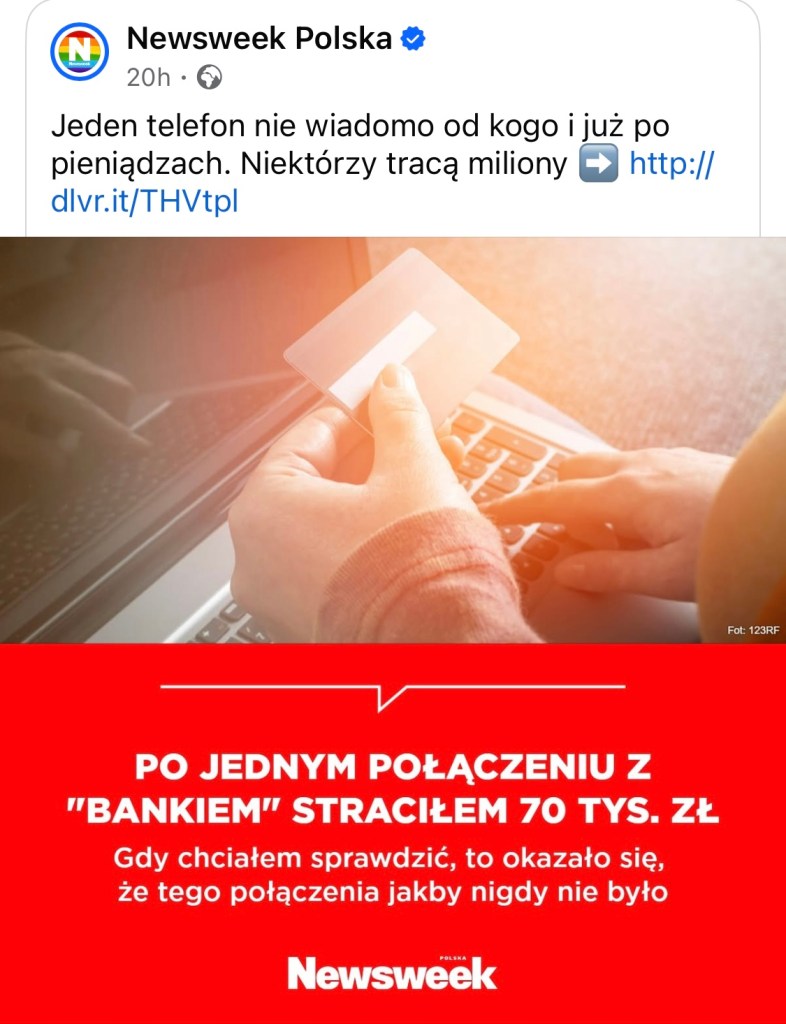
Zapraszam do lektury artykułu “Jak nas okradają w sieci. Czyściciele kont”, s. 28., który ukazał się w najnowszym wydaniu Newsweek Polska, nr 4/2025, 20-26.01.2025 r. W artykule udzieliłam wywiadu na temat mojej codziennej pracy jako prawnika specjalizującego się w cyberprawie i cyberprzestępczości.
Worldcoin rozpoczął działalność w Polsce. Rozwiązanie stworzone zostało przez szefa OpenAI, Sama Altmana i niemieckiego naukowca Alexa Blanię. Worldcoin oferuje World ID, czyli cyfrowy dowód na to, że użytkownik jest człowiekiem, bez konieczności ujawniania jakichkolwiek danych osobowych, w tym imienia i nazwiska.
Teraz uzyskanie cyfrowego dowodu możliwe jest również w Polsce. Osoby pełnoletnie mogą odwiedzić jeden z trzech punktów w Warszawie i przejść procedurę uzyskania zweryfikowanego World ID (dowód człowieczeństwa) Fizyczna obecność na miejscu jest niezbędna, gdyż konieczne jest zrobienie zdjęcia tęczówki oka – która jest unikalna dla każdego człowieka – za pomocą kamery w kształcie srebrnej kuli o nazwie Orb. Wkrótce rozwiązanie będzie dostępne w kolejnych miastach w Polsce.
Dodatkowo twórcy rozwiązania zachęcają do potwierdzania tożsamości poprzez oferowanie kryptowaluty WLD w liczbie 58 jednostek (równowartość 1,44 $).
Rozwiązanie WorldCoin budzi wiele kontrowersji w związku z obawami o ochronę danych osobowych. Z drugiej strony rozwiązanie jest innowacyjne i może przyczynić się do zwiększenia bezpieczeństwa w sieci.
W dniach 14-15 września 2024 roku adwokat Judyta Kasperkiewicz wzięła udział w szkoleniu na temat „Open-Source Evidence” w siedzibie Międzynarodowego Trybunału Karnego.
W dniu 2 maja 2024 roku podczas mojej kolejnej podróży po Stanach Zjednoczonych dotarłam do Doliny Krzemowej. W Kalifornii zwiedziłam San Diego, Los Angeles, San Jose, Palo Alto i San Francisco.
Nie mogłam nie wykorzystać okazji i nie odwiedzić miejsca wyjątkowego dla każdego geeka komputerowego, a mianowicie domu Steve’a Jobsa.
Jego dom, który obecnie jest własnością prywatną mieści się pod adresem 2066 Crist Drive w Los Altos w Kalifornii. Steve Jobs mieszkał w nim od szkoły średniej. W garażu tego domu wraz ze Steve’em Woźniakiem pracował nad pierwszym komputerem Apple.
Metawersum jako kształtująca się technologia może w dalszej lub bliższej przyszłości stać się kolejnym wyzwaniem dla prawa. W przeszłości podobnymi wyzwaniami były inne osiągniecia technologiczne, w tym komputer, Internet czy sztuczna inteligencja. W przypadku tych technologii za każdym razem prawo odpowiadało na wyzwania responsywnie.
W związku z pojawieniem się po raz kolejny podobnego wyzwania, stawiamy ponownie pytanie o to, czy prawo powinno nadążać za innowacjami technologicznymi i czy tym razem tak się stanie? Odpowiadając na to pytanie należy wziąć pod uwagę, czy w ogóle możliwym jest uregulowanie stosunków prawnych w wirtualnych światach jeszcze przed ich ukształtowaniem. Pod uwagę wziąć należy również to, czy regulacje prawne nie będą ograniczać rozwoju tej technologii.
Z drugiej strony od lat podnosi się, że działalność firm technologicznych jest regulowana w niedostatecznym stopniu. Dostrzegany jest przede wszystkim problem monopolu tych firm. W przypadku metawersum mamy do czynienia z technologią tworzoną przez sektor prywatny, a wcześniej Internet powstawał jako projekt rządowy (militarny), a następnie zarządzany przez organizacje pozarządową. Natomiast w przypadku metawersum brak udziału sektora publicznego w jej rozwoju będzie mogło stanowić dodatkowe wyzwanie dla ustawodawców.
Wątpliwe jest również to, czy ustawodawcy będą zainteresowani regulowaniem tej technologii już teraz czy przed jej upowszechnieniem się. Z działań podejmowanych do tej pory przez różne państwa i organizacje na świecie, wnioskować można, że przede wszystkim Unia Europejska zainteresowana mogłaby być regulowaniem metawersum. Ale w ostatnim czasie udało się Unii Europejskiej uchwalić Akt o sztucznej inteligencji i na kolejny wysiłek związany z nowymi technologiami może zabraknąć woli politycznej.
Prędzej czy później stosunki prawne w wirtualnych światach będą musiały zostać uregulowane. Czy zatem wystarczy odpowiednie stosowanie obowiązujących przepisów prawa? Podobnie, jak w przypadku szeroko pojętej cyberprzestępczości odpowiednie stosowanie przepisów prawa może okazać się niewystarczające. Jak prawo powszechnie obowiązujące będzie mogło regulować prawo obowiązujące w wirtualnych światach? Przełomowe mogą okazać się rozwiązania związane z ograniczaniem wszelkiej dyskryminacji, w tym regulacji samego dostępu do wirtualnych światów.
Czy w przypadku metawersum prawo pójdzie jeszcze dalej niż dotychczas i powstanie powszechny system prawa obowiązujący w wirtualnych światach? Na ten moment nie wydaje się, aby powstanie „meta-sądu” lub „meta-więzienia” było możliwe. Tym bardziej, że nie mamy tutaj oddziaływania czynnika publicznego na technologię, a metawersum jest wytworem sektora prywatnego. O ile nie dojdzie do zaangażowania się sektora publicznego w rozwój tej technologii, to nie powstanie sąd ani więzienie w metawersum. Ale quasi-sądy i quasi-więzienia mogą tworzyć i regulować sami twórcy technologii. Trzeba będzie wtedy postawić inne pytanie, a mianowicie czy firmy technologiczne i twórcy technologii nie próbują stawać ponad prawem.
Here are common legal questions of digital nomads in Poland:
What regulations apply to long-term residence for individuals wishing to settle permanently in Poland? What are the procedures for legalizing long-term residence in Poland for digital nomads who decide to live permanently in Poland?
Can digital nomads purchase real estate in Poland?
Can digital nomads access legal assistance in Poland? What are the rules regarding access to legal services for digital nomads, especially those who do not have a permanent place of residence in Poland?
What are the rules regarding data transfer and IT services in Poland? What regulations apply to the transfer of personal data or IT services between Poland and other countries, including non-EU countries? What rules apply in the context of remote work for companies from different countries?
Can digital nomads use banking services in Poland? What rules apply if a digital nomad wants to open a bank account in Poland? Do they need to meet specific requirements if they do not have Polish citizenship or registered residence?
What rules apply to the import or export of goods for digital nomads running a business? What regulations apply in the case of exporting or importing goods by digital nomads, especially those running e-commerce businesses?
What intellectual property protection laws apply to remote work? What regulations regarding copyright and patents are relevant to digital nomads, especially those working on remote projects?
What rules govern the legality of remote work in Poland? What regulations govern remote work in Poland? Do digital nomads need to sign a special employment contract or civil law agreement?
I. What regulations apply to long-term residence for individuals wishing to settle permanently in Poland? What are the procedures for legalizing long-term residence in Poland for digital nomads who decide to live permanently in Poland?
Long-term residence in Poland for digital nomads who wish to settle in the country permanently requires meeting certain legal requirements. The legalization procedures depend on the applicant’s nationality, employment situation, and the purpose of their stay. Here are the details regarding the legal regulations and procedures related to long-term residence in Poland:
Citizens of the European Union (EU) and the European Economic Area (EEA)
Citizens of EU/EEA countries have much simpler procedures when it comes to long-term residence in Poland. According to EU regulations, citizens of these countries do not need a visa or residence permit to live in Poland. However, they must complete a few formalities:
Registration of stay: EU/EEA citizens planning to stay in Poland for more than 3 months are required to register their stay at the voivodeship office (Department of Foreigners Affairs). Registration is done based on a valid identity card or passport.
PESEL number: It is also advisable to obtain a PESEL number, which is required for many administrative matters, such as opening a bank account, registering in the health care system, or taking up employment.
Citizens from outside the EU/EEA
Citizens from outside the EU/EEA who want to settle permanently in Poland must go through a more complex residence legalization process, which involves obtaining the appropriate residence permits. The most common procedures include:
a) Long-term visa (National Visa)
Citizens from outside the EU/EEA who plan to live in Poland for more than 90 days must apply for a national visa (so-called long-term Schengen visa). This process requires submitting an application at the Polish consulate in the home country or at the nearest diplomatic mission.
A national visa can be granted on various legal grounds, such as employment, business activity, education, etc.
b) Residence Card (after obtaining the visa)
After obtaining a national visa and arriving in Poland, a foreigner who plans to stay long-term must apply for a residence card. This document grants permission to stay in Poland for an extended period (usually up to 3 years), after which an application can be made for an extension.
The procedure for obtaining a residence card includes:
Submitting an application at the voivodeship office responsible for the place of stay.
Required documents include a passport, photo, proof of stable and regular income, proof of health insurance, and documents confirming the purpose of stay (e.g., employment contract, business registration certificate, certificate of studies, etc.).
c) Permanent residence permit (after several years of stay)
After several years of legal stay in Poland (usually 5 years), non-EU/EEA citizens can apply for a permanent residence permit. To obtain a permanent residence permit, a foreigner must meet additional requirements, such as:
Legal stay in Poland for at least 5 years.
Stable and regular income and health insurance.
Proficiency in the Polish language at a communicative level (the requirement may vary depending on the individual situation).
No threat to public security.
d) Pole’s Card (for individuals of Polish descent)
People who can document Polish descent (e.g., have Polish ancestors) can apply for the Pole’s Card. This is a document confirming ties to Poland and providing the possibility to apply for Polish citizenship or permanent residence. Individuals holding the Pole’s Card can enjoy many privileges, such as access to the Polish health care system, education, and the labor market.
Rules for digital nomads
Digital nomads who want to settle in Poland can obtain long-term residence on the same terms as other foreigners. Here are some important considerations:
Visas for remote workers: For individuals running a business or working remotely, the most suitable option would likely be a long-term visa or a residence card, provided they have stable income and can document the purpose of their stay (e.g., running a business, remote work).
Access to public services: After obtaining a residence card, digital nomads are entitled to use the Polish health care system (after paying health insurance contributions), and they can also register a business if they want to operate a company in Poland.
II. Can digital nomads buy real estate in Poland?
Yes, digital nomads can buy real estate in Poland, but there are certain legal provisions that may differ depending on their nationality or place of residence. Here are the details:
Citizens of the European Union and the European Economic Area (EEA)
People who are citizens of EU/EEA countries have the same rights as Polish citizens when it comes to purchasing real estate. They can buy property in Poland without any special restrictions.
Citizens from outside the EU/EEA
Digital nomads who are not citizens of EU/EEA countries face some restrictions when purchasing real estate in Poland. According to regulations, they must obtain permission from the Minister of the Interior and Administration to purchase property unless they have the status of a long-term resident or meet other conditions (e.g., they have the right to settle in Poland for a longer period).
Purchase of real estate for residential purposes: If a digital nomad intends to buy real estate in Poland for residential purposes (e.g., to live in or use it as a base), there is no need to obtain permission if they meet the citizenship or residency conditions.
Purchase of real estate for investment purposes: For individuals from outside the EU/EEA who want to purchase real estate in Poland solely for investment purposes (e.g., renting it out), additional provisions may apply. In such cases, besides obtaining the minister’s consent, there may also be requirements regarding the minimum area of the property (e.g., no smaller than 0.4 hectares for plots).
Taxes and fees
Digital nomads who decide to purchase real estate in Poland must be aware of various fees and taxes, such as:
Civil law transactions tax (PCC) – If the property is not purchased directly from a developer, the tax is 2% of the property value.
Property tax – Annually, based on the location and size of the property.
Registration and formalities
If a digital nomad decides to purchase real estate and will be living in it, they may need to register their residence at the property (if the stay exceeds 30 days).
III. Can digital nomads access legal assistance in Poland? What are the rules regarding access to legal services for digital nomads, especially those without permanent residence in Poland?
Digital nomads in Poland have the opportunity to access legal assistance, but access to legal services may vary depending on their residence status and professional situation. Here are key points regarding access to legal assistance:
Commercial legal services: Digital nomads can freely use the services of private law firms and legal advisors in Poland. Law firms offer assistance in areas such as:
Public legal aid: Polish regulations provide free legal aid for individuals who meet certain criteria:
Digital nomads can access free legal aid if they are in a difficult financial situation or meet conditions specified by local authorities (mainly EU citizens and those with legal residency).
Free legal aid points can be found in city offices and district offices.
Right to a public defender: In criminal cases, foreigners, including digital nomads, have the right to a public defender if they cannot cover the cost of a lawyer on their own or need assistance due to a lack of proficiency in the Polish language.
Digital nomads can access both commercial and public legal services in Poland. The lack of permanent residence is not an obstacle, especially with the development of online services. In case of complicated situations, it is advisable to contact a law firm specializing in foreign clients.
IV. What are the rules regarding data transfer and IT services in Poland?
What regulations govern the transfer of personal data or IT services between Poland and other countries, including those outside the European Union? What rules apply in the context of remote work for companies from different countries?
Rules Regarding Data Transfer and IT Services in Poland
The transfer of personal data and the provision of IT services in Poland are primarily governed by EU and national regulations related to data protection and information security. Particular attention is paid to the GDPR (General Data Protection Regulation) and national laws arising from the Personal Data Protection Act.
Transfer of Personal Data Between Poland and EU Countries
Data transfer between EU member states is unrestricted and does not require additional formalities, provided that the rules set forth by GDPR are adhered to.
Data controllers must implement appropriate safeguards to protect personal data and inform the individuals whose data is being processed.
Transfer of Data Outside the EU/EEA
Transferring personal data to countries outside the European Economic Area (EEA) is subject to additional requirements:
Adequacy Decision: Data transfer is allowed to countries that ensure an adequate level of data protection in accordance with the European Commission’s decision (e.g., Japan, Canada).
Standard Contractual Clauses (SCC): In the absence of an adequacy decision, Standard Contractual Clauses approved by the European Commission may be used.
Binding Corporate Rules (BCR): Used by multinational corporations for internal data transfers.
Other Mechanisms: The regulations also allow for exceptions such as obtaining the consent of the data subject or the necessity of the transfer for the performance of a contract.
Data Security in the Context of Remote Work
Digital nomads providing IT services for companies from various countries must adhere to rules regarding:
Data Security: Implementing appropriate technical and organizational measures, such as data encryption and access authorization.
Data Processing Rules: Processing data in accordance with GDPR, especially when dealing with personal data of clients from outside the EU.
Conclusion of Appropriate Agreements: It is necessary to sign personal data processing agreements between the employer and the digital nomad.
Polish Regulations on Providing IT Services
Telecommunications Law and the Act on Providing Services by Electronic Means: These laws define the principles for providing IT services in Poland, including requirements related to the protection of user data and information storage.
Tax Regulations: Digital nomads should consider tax obligations when providing IT services to foreign clients from Poland.
V. Can Digital Nomads Use Banking Services in Poland?
What rules apply when a digital nomad wants to open a bank account in Poland? Do they need to meet specific requirements if they do not have Polish citizenship or residence registration?
Yes, digital nomads can use banking services in Poland, but they must meet certain requirements, especially if they do not have Polish citizenship or permanent residence. Below are the key rules for opening bank accounts in Poland for individuals who are not Polish citizens:
General Requirements for Opening a Bank Account in Poland
To open a bank account in Poland, a digital nomad must meet several basic requirements. While the procedure may vary slightly from bank to bank, it typically includes:
Proof of Identity: A valid identity document (e.g., passport or ID card) is necessary. If the person is not a Polish citizen, the passport will be the primary document.
Correspondence Address: Banks in Poland require a correspondence address. For digital nomads without a permanent residence in Poland, it is possible to provide a temporary address, such as the address of a rented apartment, a family or friend’s address, or a coworking space address (in some banks).
PESEL Number: If the individual does not have a PESEL number (Polish identification number), the bank may request additional documents, such as a visa or residence card, depending on the situation. However, some banks may open an account without a PESEL number, requiring only a passport and proof of legal stay.
Digital Nomads Without Permanent Registration
For digital nomads who do not have a permanent residence in Poland, banks require them to provide a correspondence address, as mentioned earlier. Additionally:
Residence Permit: Non-EU citizens may be asked to show proof of their legal stay in Poland (e.g., visa, residence card, temporary residence permit). EU/EEA citizens only need to provide proof of identity unless they have been in Poland for more than three months, in which case a residence registration certificate might be required.
Proof of Income: Banks may ask for evidence of stable income. This could include an employment contract, proof of income to the account (e.g., from remote work, freelancing, or business income), or other documents proving financial stability.
Types of Bank Accounts Available for Digital Nomads
Digital nomads can open different types of bank accounts depending on their needs:
Personal Account: The basic account for daily transactions such as transfers, online payments, or ATM withdrawals. Most banks offer personal accounts that are also available to foreigners.
Foreign Currency Account: If the digital nomad works in foreign currencies (e.g., USD, EUR), they may consider opening a foreign currency account that allows holding funds in various currencies. This is beneficial if they regularly receive payments in currencies other than PLN.
Business Account: If the digital nomad runs a business in Poland (e.g., freelancing, owning a company), they can open a business account to manage the finances related to their business activities.
Online Banks and Fintechs
In Poland, online banks (e.g., mBank, ING, Revolut) are also available, which often offer simplified account opening procedures online, making them convenient for digital nomads. Some online banks allow account opening entirely online without the need to visit a branch. In such cases, identity verification may occur via video call or by submitting document scans.
Tax Requirements
Although not directly related to opening a bank account, digital nomads should also be aware that they may be subject to the Polish tax system if they earn income within Poland or have tax residency status in Poland. In such cases, they will need to submit the appropriate tax declarations and report their income to the Polish tax office.
Obstacles and Challenges
Digital nomads may face some difficulties when opening a bank account in Poland, especially if they do not have a permanent address or PESEL number. However, many banks strive to simplify this process, and digital nomads can also take advantage of fintech services and online banks, which often have more flexible requirements.
VI. What regulations apply to digital nomads running a business? What regulations apply to the export or import of goods by digital nomads, especially those engaged in e-commerce?
Digital nomads running businesses, including those involved in e-commerce, may encounter a range of regulations regarding the import and export of goods, depending on where they conduct their business and the countries they export to or import from. Below are the rules related to the import and export of goods by digital nomads running businesses in Poland:
Rules for importing goods by digital nomads
Import of goods to Poland – Individuals running businesses (including e-commerce) and importing goods into Poland from other countries (outside the European Union or from other EU member states) must comply with the applicable customs, tax, and trade regulations.
VAT: Importing goods to Poland is subject to VAT payment. For imports from non-EU countries, businesses must pay an import VAT at the standard rate of 23%. Depending on the value of the goods and the destination, there may be different procedures and VAT rates.
Customs Duties: For goods imported from outside the EU, digital nomads must also comply with customs regulations. This means that depending on the type of goods, they may be required to pay customs duties (customs fee), and to follow procedures related to goods classification (customs code). It is important to note that when importing from non-EU countries, the value of the duty and the customs clearance procedure may vary depending on the goods.
EORI Number: To import goods from non-EU countries, businesses (including digital nomads) must have an EORI number (Economic Operator Registration and Identification). This is an identification number issued by customs authorities, allowing the submission of customs declarations.
Sanitary and Epidemiological Regulations and Other Requirements: Importing certain goods, such as food, medicines, cosmetics, or medical supplies, requires compliance with specific regulations, such as sanitary and epidemiological standards. Entrepreneurs must ensure that the imported goods meet all the regulations and standards required by Polish law.
Rules for exporting goods by digital nomads
Export of goods from Poland – If a digital nomad runs a business and ships goods from Poland to other countries (both within the EU and outside the EU), they must follow the following rules:
VAT: In the case of exporting goods to non-EU countries, the goods are exempt from VAT in Poland. For exports to other EU countries, the so-called reverse charge VAT applies, meaning that the recipient in the EU country will be responsible for paying the VAT.
Customs Rules: Exporting goods from Poland to non-EU countries requires customs clearance. Businesses must declare the exported goods and provide the necessary documentation (e.g., export invoice). They must also obtain an EORI number to complete the customs procedures.
Export Documentation: Entrepreneurs running e-commerce businesses must have the appropriate documentation proving export, including export invoices, customs declarations, and proof of delivery (e.g., waybill). These documents may be required by customs officers and in case of any tax audits.
Export Declaration: To ship goods from Poland, businesses must submit an export declaration in the customs system. This is a requirement to ensure that the goods are physically shipped outside the EU and fully comply with export regulations.
Export and import of goods within e-commerce
For digital nomads running businesses in e-commerce (online sales), both the export and import of goods come with additional requirements that must be met:
Sales Platforms: In the case of selling goods online (e.g., on platforms like Amazon, eBay, or Shopify), digital nomads must adhere to the regulations applicable on these platforms and comply with customs and tax requirements both in Poland and in the recipient country.
VAT Rules in E-commerce: Since July 1, 2021, new EU VAT rules for e-commerce apply, which simplify VAT rules for sales of goods between EU countries. The introduction of the One Stop Shop (OSS) system allows VAT registration in one EU country and VAT settlements for sales to other EU countries. This makes it easier for digital nomads running online sales to manage their tax obligations.
International Transport Rules: The sale of international goods involves organizing transport, which may include various forms of transport, such as sea, air, or road transport. It is important for digital nomads to familiarize themselves with the regulations regarding the transport of goods, liability for transport, and insurance rules for the goods.
Customs and Tax Rules for Goods Shipped Online
Online sales of goods, especially to countries outside the EU, require compliance with appropriate customs and tax regulations. For low-value goods (under 22 EUR), exports to non-EU countries are VAT-exempt. For goods valued above 22 EUR, VAT is charged according to the applicable regulations.
VII. What intellectual property protection laws apply to remote work? What regulations regarding copyright and patents are relevant to digital nomads, especially those working on remote projects?
Intellectual Property (IP) regulations are crucial in remote work, particularly for digital nomads who may collaborate with companies or clients from different countries. Intellectual property protection includes areas such as copyright, patents, trademarks, and industrial designs. In the context of remote work, especially for projects carried out by digital nomads, there are several important issues related to copyright and patents that should be taken into consideration.
Copyright
Copyright refers to the protection of creative works, such as software, texts, graphics, films, music, or other forms of intellectual creativity. The rules for copyright protection for digital nomads working remotely are governed by both national and international law, including the Berne Convention (1886) and EU directives.
General Copyright Rules in Poland:
Creator’s Right to Protect Their Work: In Poland, the author of a work (e.g., programmer, graphic designer, writer) automatically acquires copyright to their creation as soon as it is made. Registration of the work is not required to obtain copyright protection.
Moral and Economic Rights: Copyright is divided into moral rights (e.g., the right to attribution) and economic rights (e.g., the right to sell or license the work). In remote work, it is important to determine who holds the economic rights to the work created under the agreement. Typically, unless otherwise agreed, economic rights may be transferred to the employer or client through a work contract or employment agreement.
Transfer of Copyright: To transfer copyright to the employer or client, a digital nomad should conclude a relevant agreement specifying that the copyright to the work is being transferred. In the case of a work contract, the transfer of copyright is often a standard part of the agreement’s terms.
Licenses: Digital nomads may also choose to license their works, granting others the right to use them without transferring full copyright. For example, a license may specify the territory, duration, and conditions of use.
Remote Work and Copyright:
Ownership Based on the Agreement: For remote work, it is essential to clarify in the agreement who owns the copyright to the materials created. If a digital nomad creates something for a client or company, the client typically takes ownership of the copyright unless stated otherwise in the agreement. It is important to clearly indicate whether the copyright remains with the creator or is transferred to the contracting company.
National and International Protection: Remote work in an international context may require adherence to various legal systems of copyright protection. In Poland, both EU copyright law and international treaties ensure protection for works created by citizens of signatory countries. Regardless of where the creator and recipient of the work are located, copyright protection is relatively consistent across international agreements.
Patents
Patents protect technical inventions such as new devices, processes, or technologies. Digital nomads who create or develop new technical solutions while working remotely can apply for a patent on their inventions.
Patent Rules in Poland:
Inventions and Patents: To obtain a patent in Poland, an invention must meet specific criteria: it must be new, involve an inventive step, and be industrially applicable. The applicant submits the patent application to the Polish Patent Office (UPRP).
Patent Ownership: In remote work, especially in the fields of technology and software, it is crucial to determine who owns the rights to the invention. Patent rights depend on the agreement between the parties. For inventions created while working for an employer or client, the inventor often transfers the rights to the employer or company. Therefore, any agreement regarding inventions should clearly state who will own the patent and what compensation will be provided to the inventor.
International Patents: Digital nomads working remotely for companies in different countries can also apply for patent protection in other countries using systems like the Patent Cooperation Treaty (PCT), which allows for the submission of international patent applications.
Trademarks and Other Forms of IP Protection
In addition to copyrights and patents, digital nomads may also encounter protection for other forms of intellectual property, such as trademarks and industrial designs.
Trademarks protect names, logos, slogans, and other elements identifying a brand or product. If a digital nomad runs a business involving a brand, they should consider registering a trademark to protect their brand in the market.
Industrial Designs protect the appearance of products, such as packaging or equipment elements that are unique and have market value.
Rules for Digital Nomads Working with Clients or Employers
Intellectual Property and Client Contracts: It is crucial for digital nomads to enter into contracts that clearly specify which party holds the rights to the results of their work. If a digital nomad works on a project that involves creative or technical work, the contract should specify who will own the copyright to the works and the patent rights to any inventions.
Data Protection and Confidentiality: Since digital nomads often work remotely, attention should also be paid to data protection regulations (e.g., GDPR in the EU) that may apply to any projects where personal data is processed.
VIII. What rules apply to the legality of remote work in Poland? What regulations govern remote work in Poland? Do digital nomads need to sign a special employment contract or civil contract?
In Poland, the rules regarding the legality of remote work are governed by a range of legal provisions that define the rights and obligations of both employees and employers. Remote work became especially popular after the COVID-19 pandemic, and the regulations in this area were adapted to the new realities. For digital nomads working remotely, there are different regulations depending on the form of employment, the type of contract, and the nature of the work they do. Below are the key issues concerning remote work in Poland:
Remote Work in Polish Law
Remote work in Poland is regulated based on the Labor Code and provisions related to remote work during the pandemic. The introduction of a definition for remote work and its organization in the Labor Code occurred in 2023.
Rules for Remote Work in Poland:
Definition of Remote Work: According to the regulations, remote work means performing work duties outside the employer’s headquarters, using electronic communication tools. This means that the employee does not need to work in the office and the work can be carried out from home, another location, or while traveling.
Employment Contract: For remote work to be legal, it must be appropriately specified in the employment contract or a mutual agreement between the parties. In the case of an employment contract, the employer and employee should agree on whether the work will be performed remotely, the rules for remote work (e.g., working hours, availability, work tools), and the conditions that will be established.
Employer’s Obligations: The employer is obliged to provide the appropriate tools for remote work (e.g., computers, software) and cover the costs related to remote work (e.g., electricity, internet costs). The employer must also ensure conditions that allow the employee to maintain work efficiency and safety.
Types of Contracts for Remote Work
Digital nomads working remotely can sign various types of contracts, depending on the form of employment and the scope of cooperation. While the regulations do not require a special contract for remote work, these contracts may vary based on the form of cooperation:
a) Employment Contract
Remote work can be performed based on an employment contract. This contract includes a range of rights and obligations for the employee and employer:
Scope of Duties: The contract should clearly specify that the work will be performed remotely, as well as the scope of duties, working hours, supervision, and availability.
Salary: The employee is entitled to the salary specified in the employment contract. Remote work does not change the salary amount, but it may involve additional benefits or reimbursement of costs related to remote work (e.g., for internet or electricity).
b) Civil Law Contract (Contract of Mandate, Contract for Specific Work)
Digital nomads can also work in Poland under a civil law contract, which regulates cooperation between a company and an individual running a business. There are no formal requirements for the location of work under a contract of mandate or a contract for specific work. People working under civil law contracts can perform their duties remotely, but the contract should contain clear provisions regarding the scope of work, deadlines, and compensation.
Contract of Mandate: The contractor can work remotely, but the scope of work and deadlines must be precisely defined. The client is not obliged to provide work tools, but may do so under the terms of the contract.
Contract for Specific Work: Remote work under a contract for specific work is possible as long as the final product or result (e.g., a project, product) is specified in the contract.
c) Temporary Employment Contract
Digital nomads may also work in Poland under a temporary employment contract. In such cases, they can perform remote work, but the contract will specify the duration of the cooperation and the conditions for its termination.
Obligations of Digital Nomads in Poland
Digital nomads working remotely in Poland have certain obligations arising from legal provisions, regardless of whether they are employed under an employment contract or a civil law contract. Primarily:
Remote Work Notification: A person working remotely in Poland, such as a digital nomad, should enter into the appropriate contract with their employer or contractor, specifying that they will be working remotely.
Tax Registration: If a digital nomad is not a Polish citizen, they may be required to register in Poland to obtain a VAT number (NIP) if they provide services to Polish companies and earn income in Poland. They must also comply with tax settlement regulations.
Health and Safety Rules for Remote Work
Health and Safety: The employer in Poland is obliged to ensure appropriate conditions for remote work, including compliance with health and safety rules. The remote employee, especially a digital nomad, should have access to a work environment that meets safety and hygiene requirements, and the employer must provide appropriate training in this regard.
Health Protection: In remote work, it is important for digital nomads to take care of their own health and comfort. While there are no special regulations in Poland regarding this aspect of remote work, the employer may, under the contract, cover costs related to ergonomic furniture or computer equipment to improve the conditions for remote work.
Remote Work and Working Time
In the context of remote work, the same regulations regarding working hours apply as for office-based work. In Poland, the maximum working time per day is 8 hours, and per week, it is 40 hours. For remote work, the employer is also obliged to monitor the working hours of employees, including digital nomads.






 Cyberlaw by Judyta